
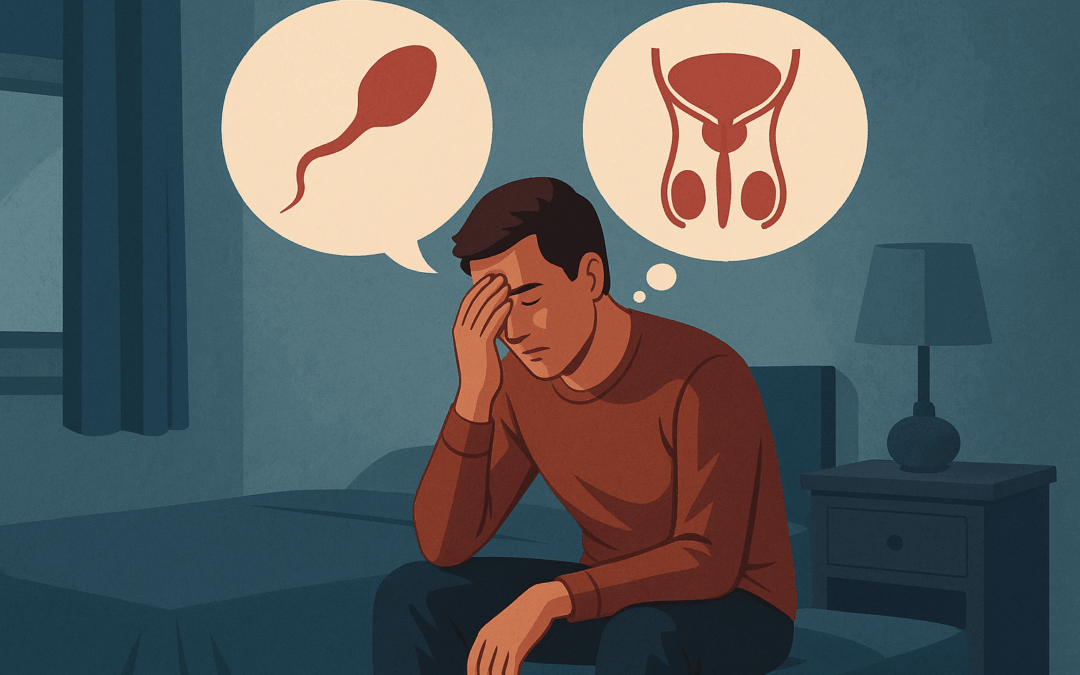
Key Takeaways on Male Infertility
- Male infertility contributes to nearly 50% of infertility cases worldwide, making it a major but often overlooked concern.
- Causes range from sperm issues, hormonal imbalances, genetic factors, and lifestyle habits to medical conditions like varicocele.
- Symptoms are often subtle, which is why medical evaluation is essential.
- Treatments include lifestyle improvements, medications, surgery, and assisted reproductive technologies (ART).
- Natural supplements like FreeFlow for Men can support reproductive health, libido, and confidence without harmful side effects.
Understanding the Hidden Struggles behind Male Infertility
Infertility is a subject many couples shy away from….especially when it comes to men.
When couples struggle to conceive, conversations often center on women’s health, leaving men’s reproductive well-being in the shadows.
Meanwhile, Male infertility is far more common than most people realize.…
Every year, millions of couples set out to start families only to realise that the journey isn’t as simple as they had expected. For some, the cause is clear. For others, especially men, the problem feels complex, frustrating, and sometimes unexplained.
With cases of low libido and performance challenges, the struggle grows heavier, affecting not just fertility but also intimacy and self-confidence.
These men face added pressure, often silently battling feelings of inadequacy while trying to navigate the complexities of their reproductive health.
Some start to question their masculinity, feeling a deep sense of inadequacy. Others battle stress and anxiety quietly, which often worsens the problem, creating a vicious cycle that affects both their mental and reproductive health.
All these can delay getting help, even though early action and the right support can make a huge difference.
Breaking down male infertility means separating myth from fact, looking at the science, and identifying both medical and lifestyle triggers.
By doing this, men can begin to take control of their health, improve fertility, and regain confidence.
“As we shed light on the complexities of male infertility, it is clear that open conversations are key to understanding and addressing this often-overlooked issue.”
Why Male Infertility Conversations Matters
Infertility is not rare. In fact, the World Health Organization reports that about 186 millions of adults globally struggle with infertility, and men account for nearly half of these cases.
That statistic alone should change the conversation.
For too long, fertility has been seen as a “woman’s issue.” But the science is clear: men are equally central to conception. That’s why it’s important to explore the possible causes of male infertility, understand how libido and overall health are linked, and consider solutions that go beyond temporary fixes.
Now, Let’s explore the common causes that can impact sperm health and fertility.
Common Causes of Male Infertility
Male infertility is rarely the result of one single problem. Often, it’s a combination of factors involving health, lifestyle, and sometimes genetics. Let’s break them down.
1. Sperm Quality and Motility
Healthy sperm should be plentiful, well-shaped, and strong enough to move toward the egg. Even when sperm count looks normal, poor motility (movement) or abnormal morphology (shape) can prevent conception.
But sperm quality isn’t the only factor – hormonal balance plays a critical role in male fertility as well.
2. Hormonal Imbalances affects Male Infertility
Hormones like testosterone, FSH, and LH regulate sperm production. When they’re out of balance, sperm health suffers. Conditions like obesity, thyroid disorders, or chronic stress can disrupt these hormone levels.
Sometimes, though, the challenge starts before sperm production even begins. Let’s look at genetics.
3. Genetic Factors
Some men inherit genetic variations that interfere with fertility. For example, mutations linked to cystic fibrosis can block sperm pathways, while other subtle gene changes impair sperm production at a cellular level.
Apart from genetics, structural issues can also stand in the way.
4. Structural Abnormalities
Blockages, injuries, or congenital issues in the reproductive organs can stop sperm from being produced, transported, or ejaculated properly.
Yet sometimes, it’s the daily choices, not biology that quietly undermine fertility.
5. Lifestyle Triggers
Habits such as smoking, alcohol, recreational drugs, steroids, or even prolonged use of tight clothing can lower fertility. Poor diet, lack of sleep, and sedentary lifestyles only add to the problem.
And the environment we live and work in can play a surprising role too.
6. Environmental Exposure
Men who work around pesticides, heavy metals, or industrial chemicals may unknowingly expose themselves to toxins that harm sperm health. Long-term exposure often shows no symptoms until fertility testing.
But even when the body is healthy, stress can affect fertility in unexpected ways.
7. Psychological Stress and Low Libido
Stress raises cortisol levels, which in turn reduces testosterone. This affects both sperm quality and sexual desire. The result? Lower libido, performance issues, and an emotional strain that deepens the cycle of infertility.
Finally, one of the most overlooked yet treatable causes is varicocele.
8. Varicocele
A varicocele is an enlargement of the veins in the scrotum, similar to varicose veins in the legs. It disrupts blood flow, raises testicular temperature, and damages sperm production. Varicocele is one of the most common and treatable causes of male infertility…..yet many men remain undiagnosed until medical testing.
Common Symptoms of Male Infertility:
- Low sperm count or poor sperm quality
- Erectile dysfunction or difficulty achieving an erection
- Pain or swelling in the testicles
- Low libido or decreased sex drive
- Hormonal imbalances, such as low testosterone
- Difficulty ejaculating or abnormal ejaculation
These symptoms can indicate underlying issues affecting fertility. If you’re experiencing any of these, consult a healthcare professional for proper evaluation and guidance.
Once the potential causes and symptoms are identified, the next step is diagnosis. So, how do doctors determine the underlying factors affecting male fertility?
How Doctors Diagnose Male Infertility
Identifying the cause requires more than a routine check-up. Doctors often use:
- Medical & sexual history review for risk factors
- Physical examination for structural abnormalities
- Semen analysis for sperm count, motility, and shape
- Hormone blood tests for testosterone, FSH, LH
- Ultrasound scans to check for varicocele
- Genetic testing when hereditary causes are suspected
- Antisperm antibody tests to check immune-related infertility
Sometimes, no clear cause is found, this is called unexplained infertility. While discouraging, treatment options still exist.
Diagnosis is just the starting point … now let’s explore treatment options.
Treatment and Management Options
The positive news is that male infertility is often treatable.
Depending on the cause, doctors may recommend the following:
Medical & Surgical Approaches for Male Infertility like:
- Hormone therapy to restore balance
- Varicocele surgery to improve blood flow
- ART methods like IVF or ICSI for advanced cases
Lifestyle Improvements like the following:
- Eat a nutrient-rich diet (zinc, selenium, omega-3s, vitamin E)
- Exercise regularly but avoid overtraining
- Quit smoking and reduce alcohol intake
- Improve sleep and manage stress effectively
Natural Support for Male Infertility Include:
Supplements that combine antioxidants, herbal extracts, and essential nutrients can protect sperm from damage, improve motility, and support hormonal balance.
FreeFlow for Men
One natural supplement designed to address these challenges is FreeFlow for Men. It combines clinically studied, plant-based ingredients that support reproductive health, boost libido, and enhance confidence…..all without harmful side effects.
What’s Inside FreeFlow for Men?
- Turnera diffusa (Damiana) – 150mg
A natural aphrodisiac that boosts nitric oxide, improves blood flow, enhances erections, and protects reproductive cells. - Sambucus nigra (Elderberry) – 100mg
Rich in antioxidants and known to increase key enzymes that support testosterone production and sperm formation. - Juglans regia (English Walnut) – 250mg
A powerful source of omega-3 fatty acids and vitamin E, improving sperm count, motility, and morphology.
Benefits of FreeFlow for Male Infertility
- Improves libido and performance
- Enhances sperm quality and motility
- Supports hormonal balance
- Protects reproductive cells from oxidative stress
- Promotes overall male vitality and confidence
Dosage & Safety
- Pack Size: 60 tablets
- Recommended Dose: Two tablets, two times daily
- Safety: No side effects registered; safe for long-term use
Lastly,
Male infertility and low libido can feel isolating, but they are challenges faced by millions of men worldwide. The key is not to stay silent.
With the right awareness, medical guidance, lifestyle improvements, and natural support like freeflow for Men, men can take active steps to restore their fertility, health, and overall confidence.
Parenthood may take time, but with patience, proactive choices, and the right support, it is a real and achievable goal.
FreeFlow for Men boosts Libido, Fertility, and Confidence…..Naturally. Order for yours today at myMedicines